




Polygonle
Word guessing Games like Polygonle

Polygonle

Polygonle

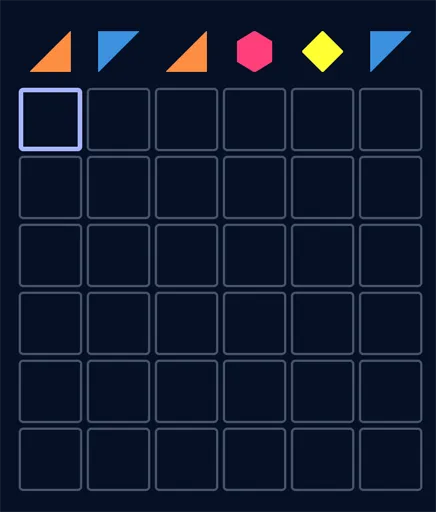
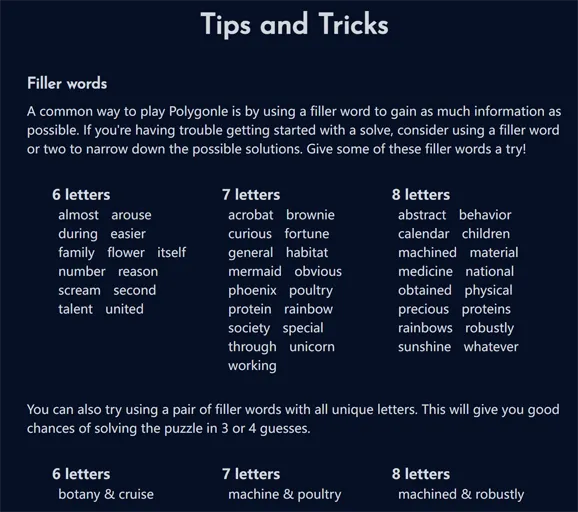
Polygonle hides the answer behind a row of small shapes instead of blank squares. Each icon marks one slot in the solution, and the rule is strict: matching polygons must share the same symbol, while different polygons never reuse one. Before you type anything, that pattern already shows where repeats can land and how many unique symbols the daily polygonle puzzle might need.

The length of the daily word is not fixed. One morning the clue might stretch six shapes wide, the next it might run eight or nine. You still get six guesses, the same green, yellow, and gray feedback after each attempt, and a fresh polygonle round for everyone at the same time. Polygonle sits halfway between a vocabulary puzzle and a light cipher. You are not only hunting a word. You are decoding which polygon belongs to which part of the answer while the solution itself stays hidden.

How to Play Polygonle

1
Polygonle puzzle showing a row of polygon shapes above the guess grid

Count the shapes and pick a word of that length

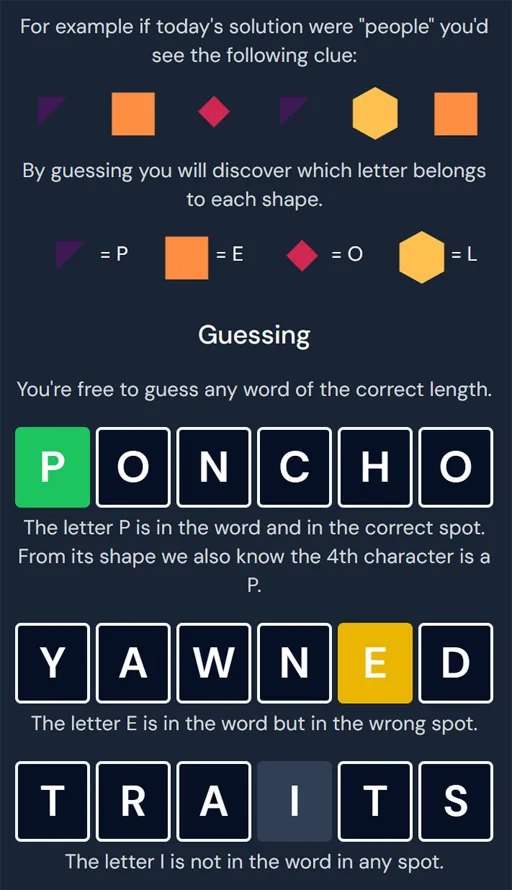
The top row shows one polygon for each slot in today's polygonle answer. A six-shape row means every guess must be six characters long. Type on the keyboard or click the on-screen keys, then submit. Your opening word should spread common vowels across several slots so the color response gives you anchors to work from. The shapes do not change between guesses. Only what you type inside them changes.

2
Polygonle board showing matching polygon icons mapped to repeated symbols

Keep identical shapes aligned

When a triangle appears twice in the clue row, both of those slots must stay matched in every guess. A square and a circle always map to different symbols even if they look similar in size. Pay close attention to outline and fill. A yellow triangle and a red triangle are not the same icon and do not share a mapping. Once a shape turns green, treat that polygon pairing as locked for the rest of the polygonle round.

3
Polygonle color feedback after several guesses on the shape grid

Read the colors and close the mapping

Green means that slot is correct for its shape. Yellow means the symbol belongs in the word but needs to move under another copy of its polygon. Gray means it does not appear anywhere in the solution. Combine those signals with the repeat pattern from the icons. By the third or fourth guess in polygonle you should know which shapes stand for which parts of the word and only need to settle the final arrangement.

A clue row that does half the thinking

Most word puzzles start with empty boxes and ask you to pull an answer from nowhere. Polygonle gives you a scaffold. Repeated icons mark where doubles must land. A long run of unique shapes tells you the word probably has no repeats at all. That information is easy to miss if you rush straight to typing, but it becomes valuable the moment your first polygonle guess comes back with two greens and a yellow.

Players who pause on the shape row often solve faster than players who treat polygonle like a standard grid with decorations. The icons are not background art. They are the constraint that makes this puzzle different from guessing a fixed five-slot board every day.

When the word length jumps

Because the answer length changes daily, your opening habits need to stay flexible. A strong six-slot opener might waste a turn on an eight-shape polygonle day if you forget to count the icons first. The habit that carries over best is informational: pick a first word that tests frequent vowels without repeating a shape pairing you have already committed to.

Longer words also spread repeats farther apart. An eight-slot puzzle with only one repeated shape forces you to track a single distant pair while filling six unique positions. Shorter words compress that logic. Polygonle rewards players who adjust their scan of the clue row before every new puzzle rather than relying on yesterday's rhythm.

Telling similar shapes apart

The trickiest moments in polygonle come from symbols that look related but are not identical. Triangles with different fills, hexagons rotated another way, or squares paired with diamonds can look like noise until one guess proves they behave as separate mappings. When in doubt, trust the clue row literally. If the game drew two icons differently, polygonle expects two different symbols.

This is also where children and adult solvers sometimes meet in the middle. Naming the shapes out loud while testing words turns the puzzle into a small geometry lesson without slowing the solve down. The vocabulary challenge and the visual matching challenge run in parallel, which is a large part of why polygonle feels fresh if you have been doing plain word grids for months.

Optional modes for tighter play

Hard Mode is the sensible next step once the base polygonle rules feel comfortable. It stops you from ignoring a yellow or green you already earned, so each guess has to respect the evidence on the board. That mirrors the discipline serious daily players already bring to other word games, just applied to the shape map.

Expert Mode goes further by making the polygon pattern part of every submitted row. It is not required for a normal polygonle solve, but it changes how carefully you read the icons from guess one. If a puzzle already looks tight, flipping Expert on can turn a relaxed break into a stubborn afternoon. The setting lives in the menu for players who want that extra layer, and it stays off for everyone else.

FAQs about Polygonle

Each polygon marks one slot in the answer. Matching shapes always map to the same symbol across the word. Different shapes always map to different symbols. The icons give you structure before you know any part of the solution.

No. The number of shapes in the clue row changes with each daily polygonle puzzle. You might see six slots one day and a longer word the next. Every guess must match that day's length exactly.

Green confirms a symbol in the correct position for its shape. Yellow means it is in the word but belongs under a different instance of that polygon. Gray means it does not appear in the answer at all.

Only if they are the same triangle style in the clue row. A red triangle and a yellow triangle are different icons and must map to different symbols. Compare shape, color, and orientation, not just the general idea of a triangle.

Hard Mode forces every revealed hint into your next guess. Confirmed greens and required yellows must carry forward, which removes loose experimental entries once the polygonle board starts giving real information.

Expert Mode requires each guess to respect the polygon pattern literally, not only the typed word. It is aimed at players who want the shape map to stay visible in every row. Some polygonle puzzles become much tougher with this setting turned on.

Yes. A new shape sequence and hidden word arrive on a daily schedule. Players compare polygonle results using the same puzzle number and colored grid summary.

No. Polygonle runs in the browser on desktop and mobile. Open the page, press Play Now, and start guessing with no account required.