




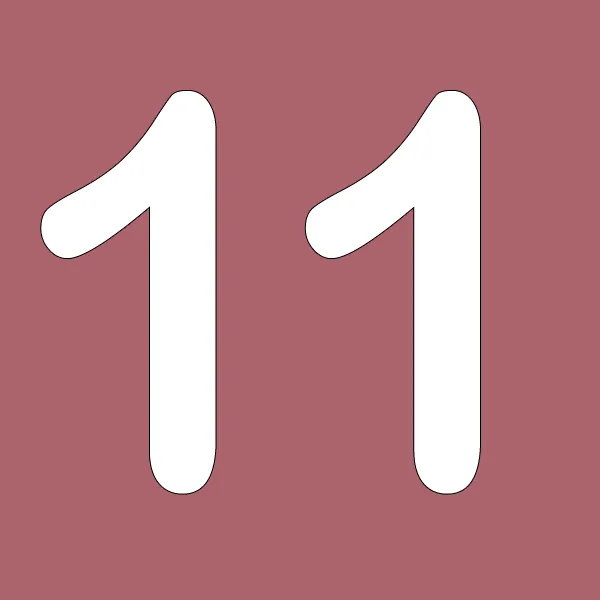
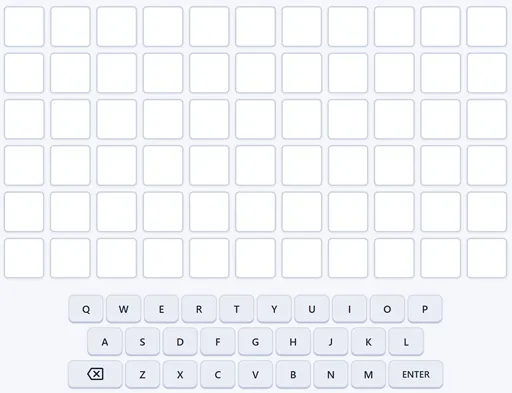
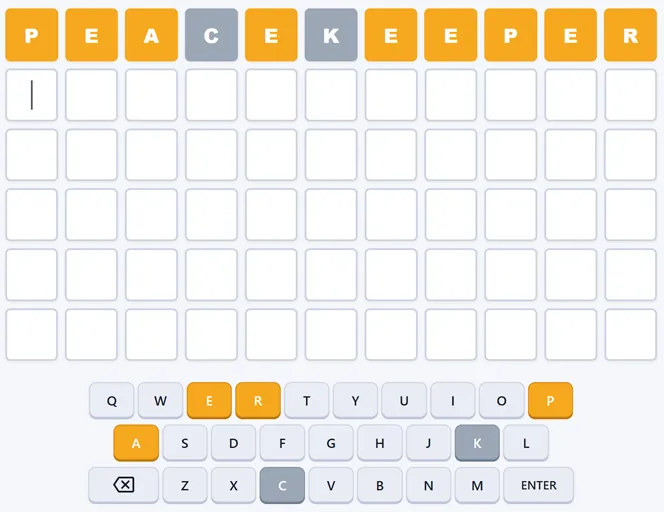
Width alone changes strategy. In shorter puzzles you can often hold the entire hypothesis in working memory. Here, most players benefit from treating each guess as a small report: which columns turned green, which yellows need new homes, and which letters are permanently ruled out. Skipping that inventory step usually costs a row because the next word accidentally repeats a gray letter or leaves a yellow stranded in the same column.
Because the answer space is large, aggressive guessing rarely pays off. Two disciplined exploratory words frequently reveal more than four hasty attempts aimed at a lucky strike. Think of the first half of the round as information gathering and the second half as assembly.