




8 Letter Wordle
Games similar to 8 Letter Wordle

8 Letter Wordle

8 Letter Wordle

Eight letters changes everything. The classic five-letter Wordle gives you a narrow target and plenty of common words to swing at; bump that count to eight and the search space expands enormously while your six attempts stay exactly the same. Every guess has to do more work, and the color feedback you get back becomes correspondingly richer. That combination of tighter vocabulary constraints and denser clue data makes 8 Letter Wordle a genuinely different puzzle rather than just a harder reskin.

On Wordles.org you can play as many rounds as you like. There is no daily cap and no waiting for midnight to reset: finish one puzzle, hit New Game, and a fresh eight-letter word appears immediately. Your statistics accumulate across sessions so you can track how your solve rate and streak develop over time.

How to Play 8 Letter Wordle

1
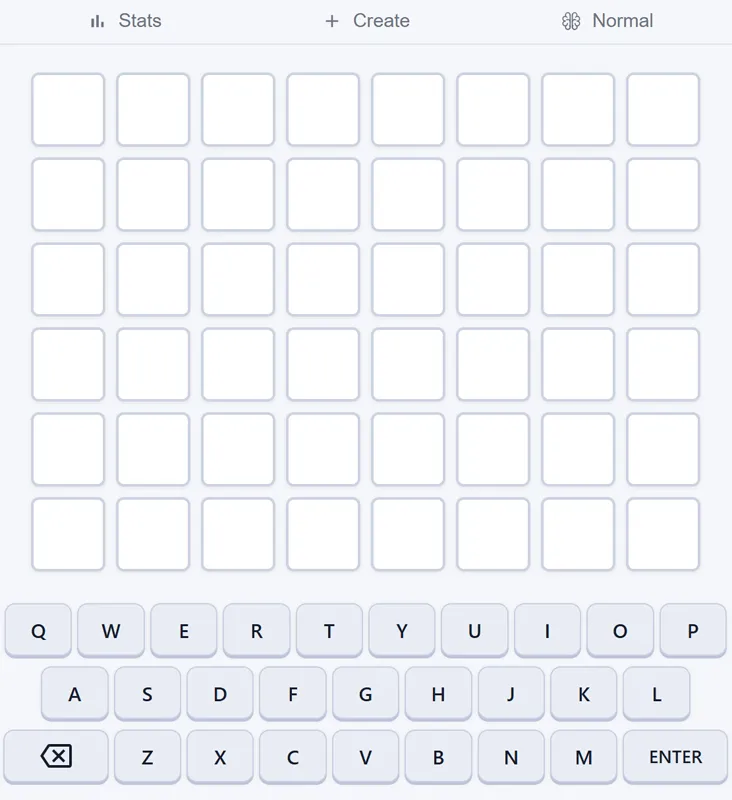
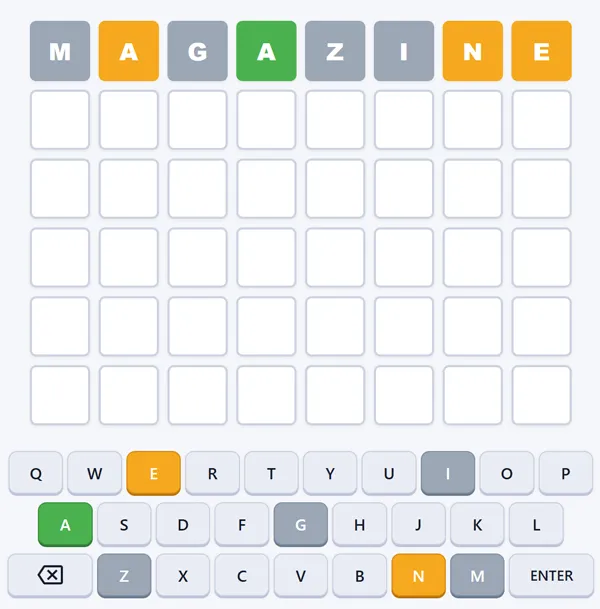
8 Letter Wordle game board showing an opening guess

Type any valid 8-letter word

Start with a word that spreads vowels and common consonants across all eight positions. Words like ABSOLUTE or CALENDAR give you broad coverage on the first guess.

2

Read the color feedback

Green means that letter is correct and in the right position. Yellow means the letter exists in the word but sits somewhere else. Gray means that letter does not appear in the word at all.

3

Narrow down with each guess

Carry green letters forward in the same slot. Reposition yellow letters to untested spots. Avoid gray letters entirely. Each of your six guesses should eliminate or confirm as much as possible.

4

Solve or start again

Identify the hidden word within six tries and your streak grows. If the word slips past you, the answer is revealed at the end and a new game is one click away.

Why eight-letter words demand a different approach

Five-letter Wordle leans heavily on short, high-frequency vocabulary where gut instinct often carries you through. Eight-letter words belong to a layer of the lexicon that requires more active construction. Many of them are built from roots, prefixes, and suffixes that follow recognizable patterns: words ending in -TION, -MENT, -LESS, -NESS, or -TION appear regularly, and knowing those endings lets you lock in multiple letters from a single smart guess even before you know much about the front half of the word.

Opening moves matter more here. A word like ABSOLUTE covers A, B, S, O, L, U, T, E in one guess and touches letters that appear constantly in eight-letter English. CALENDAR hits C, A, L, E, N, D, R and spreads across another strong frequency band. Either way, the goal on the first guess is information density rather than a lucky solve.

Making the most of color feedback

Gray letters are immediately useful because they shrink the valid letter pool. With eight positions to fill, a single gray ruling out a common consonant like S or R saves you from wasting future guesses on words that contain it. Keep a mental note of every excluded letter and treat it as a hard constraint from that point on.

Yellow letters carry a two-part instruction: the letter is real but the position is wrong. In an eight-slot word, you have seven other positions to test it in. Prioritize positions that feel structurally plausible given what you already know about the word shape. Green letters simply need to be copied into the same slot on every subsequent guess, at which point they become anchors that help constrain where yellows can reasonably land.

Thinking about word structure

One practical habit for longer Wordle variants is to guess with endings in mind. If your second guess produces a green E in position eight and a green N in position seven, your word almost certainly ends in a common suffix. That structural insight is worth more than individual letter hits, because it instantly rules out thousands of possibilities and pulls a handful of eight-letter candidates into focus.

Prefixes work similarly. A green UN at the start narrows the field to words beginning with that syllable, and you can build subsequent guesses around likely roots that follow it. Thinking in morphemes rather than isolated letters tends to accelerate solves in the middle rounds when you have partial anchors but the full word is still unclear.

Building your streak

Because there is no daily cap on Wordles.org, you can practice as many rounds as you want without waiting. That repetition compounds quickly: the more eight-letter words you encounter, the larger the mental pool you draw from when constructing guesses. Players who play regularly tend to notice patterns in which letter combinations appear often at certain positions, and that intuition shortens solves over time.

Hard Mode is worth trying once you feel comfortable with the basic feedback loop. Locking every confirmed hint into each subsequent guess removes the safety net of throwaway probing words and forces you to reason more carefully about what each guess achieves. It is a meaningful step up in difficulty without changing the six-guess limit or the word length.

FAQs about 8 Letter Wordle

Yes, completely free. No account, no download, and no daily limit. Open the page and start playing.
Six guesses, the same as the original Wordle. The longer word length means each failed guess still leaves you with plenty of letters to learn from.
Yes. The game only accepts words found in its dictionary. Random letter strings will be rejected, so every guess forces you to think about real vocabulary.
They can. A letter highlighted yellow or green might appear more than once. If you suspect a repeat, try placing the same letter in a second position on your next guess.
The word is eight letters instead of five, so you are working with a much larger vocabulary of possible answers. Common short words are no longer valid guesses, and you need to think in terms of longer word structures such as prefixes, suffixes, and compound roots.
Yes. Win rate, current streak, and guess distribution are stored in your browser and persist between sessions as long as you do not clear your site data.
Yes. The on-screen keyboard works on phones and tablets, and the board scales to fit the screen.
Hard Mode requires you to use every confirmed hint in subsequent guesses. Green letters must stay in their slots and yellow letters must appear somewhere in the next word. It removes the option of throwaway probing guesses.