




Spelling Bee
Games similar to Spelling Bee

Spelling Bee

Spelling Bee

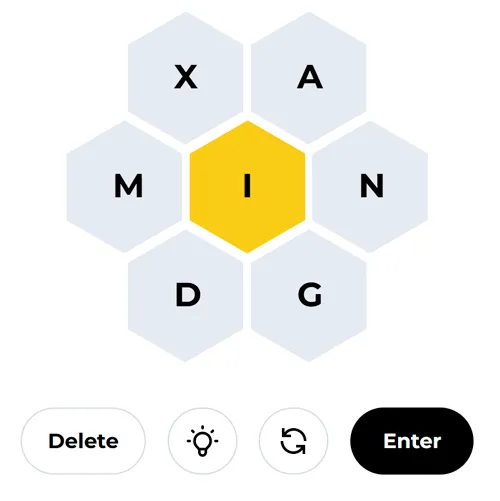
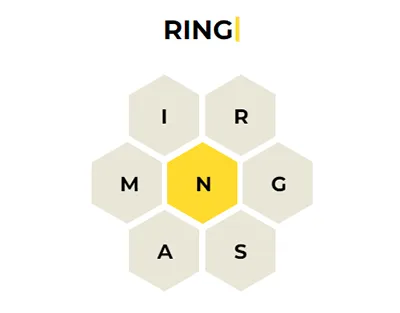
Spelling Bee is a vocabulary puzzle built around a honeycomb of seven letters: six sit in a ring and one sits in the middle. Your job is to spell as many acceptable words as you can using only those letters, with one non-negotiable rule—every word must include the center letter. Words need at least four letters, and you may reuse letters freely within a single word, so doubles and triples of the same tile are fair game. The layout looks simple; the combinatorics are not, especially when you are hunting for long answers or a rare word that uses every letter at least once.

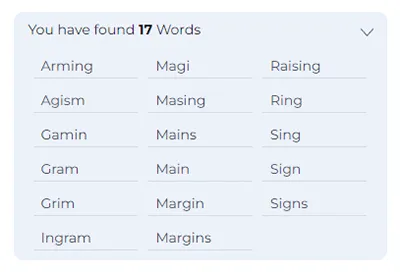
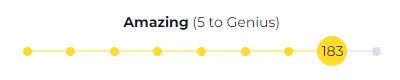
Scoring is transparent. A four-letter word typically earns a single point. Longer words usually score one point per letter in the word. The real prize is the pangram: a word that uses all seven letters at least once (some may appear twice). Puzzles are designed so at least one pangram exists, and finding it usually adds a satisfying bonus chunk to your total—often several extra points on top of the letter count. As your score climbs, the interface moves you through named ranks until you reach the top tier—commonly labelled something like “Genius”—which marks a complete run for that letter set.

Most implementations offer a daily challenge: everyone receives the same hive until the clock rolls over at midnight on your device. There is also usually an unlimited or practice mode with fresh random hives whenever you want to train. A shuffle control rotates the outer letters so you spot blends you had overlooked. Dictionaries exclude hyphenated forms, proper names, slang that is not listed, and deliberately obscure entries—if a word is rejected, it simply is not in that puzzle’s valid list. The whole thing runs in the browser, which makes it easy to play on a lunch break or share a daily score with friends.

How to Play Spelling Bee

1
Building a word in Spelling Bee

1. Form your first valid word

Tap or type letters to build a word of four or more characters. It must include the center letter. You can repeat any letter from the hive as often as needed. Press submit when you are ready.

2
Scoring words in Spelling Bee

2. Grow your list and score

Each accepted word adds to your total. Short four-letter finds are worth little; longer words and pangrams spike your score. Use shuffle if you are stuck—it changes nothing about the rules, only your perspective.

3
Reaching Genius rank in Spelling Bee

3. Chase the top rank

Watch the rank bar advance as you discover more answers. Reach the highest tier for that puzzle to “clear” the day. Compare totals with friends on the same daily hive, or switch to unlimited mode for open-ended practice.

How the hive rewards patience

The puzzle is less about speed than coverage. Early finds often pop out as obvious four-letter fragments; the real depth appears when you start chaining re-, -ing, -ed, or plural forms that still respect the letter bank. Because repetition is allowed, a single friendly consonant can anchor several related words. The pangram is the capstone: it forces you to stop treating the hive as seven isolated tiles and start seeing one long path that touches each at least once.

Daily mode adds a social layer—identical letters mean comparable scores—while unlimited mode strips the calendar pressure and is ideal for warming up or teaching someone the rules. If your build shows a timer or elapsed time in the results panel, treat it as optional flavour; the core objective remains maximal score under the dictionary rules, not reflexes.

What the game quietly teaches

Like other constrained word games, Spelling Bee rewards pattern recognition: which English letters co-occur, how affixes stretch a stem, and when a harmless-looking hive hides a brutal pangram. Playing regularly tends to sharpen spelling recall and widen passive vocabulary, simply because you keep retrieving words you might not say aloud every week.

The rejections are educational too: they remind you that published puzzles use a curated lexicon, not the entire language. That is why two players might disagree in conversation yet only one form counts in-game. Accepting the boundary is part of the sport.

Practical tips

  • Shuffle often: A fresh ring order reveals blends your eyes skipped.
  • Anchor on the center: Every word must pass through it—build outward from that letter mentally.
  • Mine prefixes and inflections: One stem can unlock several valid entries.
  • Hunt the pangram late, not first: Early scoring words fund the mental space to spot the all-letter monster.
  • Alternate daily and unlimited: Keep streaks on the shared puzzle and use random hives for stress-free practice.

Why the format sticks

The honeycomb is easy to read at a glance: one focal letter and a ring you can mentally rotate. That clarity keeps cognitive load low while the search space stays large enough to feel like a proper puzzle rather than a spelling quiz. When you finally submit a pangram, the bonus feedback is disproportionately satisfying because you know you satisfied a global constraint, not just added another short word.

Because sessions are self-paced, Spelling Bee fits short breaks and long coffee mornings alike. You can stop after hitting your personal rank goal or push until the list feels exhausted. Either way, the rules stay the same tomorrow—only the letters change—so skill compounds quietly over weeks instead of resetting with arbitrary mechanics.

FAQs about Spelling Bee

You can play Spelling Bee right here at https://wordles.org/word-games/spelling-bee/. Use the play button on this page to open the game—no download required. You can also play directly at https://spellbee.org.
Words must be at least four letters, must include the center hive letter, and may only use the seven given letters (any letter can repeat). Hyphenated words, proper nouns, and words outside the puzzle dictionary do not count. Four-letter words score 1 point; longer words usually score 1 point per letter; pangrams that use all seven letters earn a large bonus.
The spelling must match an entry in the game’s word list. Misspellings, proper names, hyphenated words, offensive terms, or words the editors consider too obscure are typically rejected. Some games let you suggest additions through feedback.
Many versions reveal the full solution list only after the day has ended—often via a “yesterday” or archive view once the clock passes midnight on your device.
Unlimited mode generates new letter sets on demand so you can keep practicing without waiting for the next daily hive. Some versions let you create a shared game and send a link so a friend plays the same letters.
Shuffle the outer letters, think in prefixes and suffixes, try plurals and common endings, and remember the center letter is mandatory. Reading widely between sessions expands the vocabulary you can draw on when the hive is awkward.